Understanding the psyche why do we gamble despite the odds
The allure of gambling is deeply rooted in the thrill of uncertainty. Many individuals are drawn to the unpredictability of games, which can evoke a rush of adrenaline. This rush is often likened to extreme sports or high-stakes situations, where the stakes are high, and the outcomes are uncertain. Interestingly, websites like https://cakeology.ca/ reflect this phenomenon by offering various gaming experiences that can entice players.
This excitement can trigger the release of dopamine in the brain, a neurotransmitter associated with pleasure and reward. The more one engages in gambling, the more the brain associates this activity with positive feelings, reinforcing the desire to gamble again. This cycle can lead to habitual gambling, even when the odds are stacked against the player.
For many, gambling serves as a form of escapism. Life’s stresses—be it financial worries, personal relationships, or work pressures—can lead individuals to seek refuge in the world of gambling. Within this realm, players can temporarily forget their problems and immerse themselves in an alternate reality where anything is possible. The concept resonates specifically with those who frequent locations like Pin Up, where the thrill of gaming can become a welcome distraction.
This psychological need for escape can be particularly pronounced during tough times. As individuals engage more with gambling as a coping mechanism, they may find themselves increasingly entangled in a cycle of betting to escape reality. Unfortunately, this can lead to further complications, as the reality they sought to escape often worsens due to gambling losses.
Many gamblers believe they have a level of control over their outcomes, despite the inherently random nature of most games. This illusion can manifest in various forms, such as the belief that specific strategies can guarantee success or that past results can influence future outcomes. Such cognitive biases can keep individuals engaged in gambling activities, even when statistics indicate otherwise.
This belief in control can be bolstered by anecdotal success stories or near misses, where players narrowly miss a jackpot or win small amounts frequently. These experiences reinforce the idea that success is attainable, further fueling the desire to play. Over time, this illusion can make it difficult for gamblers to recognize when they are chasing losses rather than enjoying the game.
Gambling often occurs within social settings, whether in a physical casino or online platforms. The communal aspect of gaming can enhance the experience, as individuals share their wins and losses with friends or fellow players. This social interaction can create a sense of belonging, further motivating individuals to participate in gambling activities.
Additionally, peer pressure and societal norms can play a significant role in one’s gambling habits. Many individuals may feel compelled to join friends in a game, equating participation with camaraderie and enjoyment. This social influence can lead to increased gambling behaviors, even when personal financial situations suggest that one should stop.
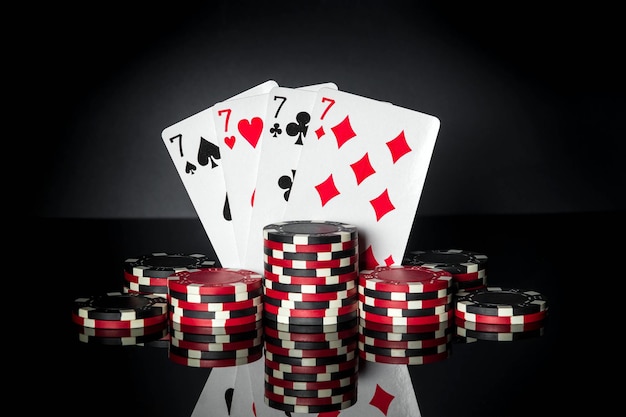
In today’s digital age, online gaming platforms like Pin Up Casino offer an exciting array of gambling opportunities that attract both seasoned players and newcomers. These platforms provide easy access to various games, from slots to live dealer options, catering to diverse preferences and skill levels. The convenience of online gambling has made it more accessible than ever, adding to the allure of the experience as seen in innovations like Pin Up Canada.
Moreover, such platforms often incorporate enticing promotions, welcome bonuses, and streamlined payment processes, enhancing the overall gaming experience. However, it remains crucial for players to engage responsibly, recognizing the psychological factors at play and ensuring that gambling remains an enjoyable pastime rather than a detrimental habit.